Single parenting in different societies is a subject that reveals much about cultural values, economic structures, and the ways communities support families. Around the world, the experience of raising children alone can look very different depending on local traditions, government policies, and social attitudes. Understanding these variations helps shed light on the unique strengths and challenges faced by solo parents everywhere.
Whether due to divorce, separation, widowhood, or choice, single-parent households are a growing reality globally. The way these families are perceived and supported varies widely, influencing everything from daily routines to long-term outcomes for both parents and children. This article explores how single-parenting is shaped by societal norms, what resources are available, and how parents can build resilience and connection across diverse environments.
For parents navigating life on their own, finding practical strategies and emotional support is essential. Resources such as how to build a positive home environment alone offer valuable guidance for creating stability and warmth, even when facing challenges unique to solo caregivers.
Global Variations in Single-Parent Households
The prevalence and perception of single-parent families differ dramatically from one country to another. In some regions, single-parenting is common and widely accepted, while in others, it may carry social stigma or face legal and economic hurdles. These differences are shaped by factors such as religion, economic development, and historical context.
For example, in Nordic countries like Sweden and Denmark, generous state support and progressive social attitudes mean that single-parent families are well integrated into society. Access to affordable childcare, parental leave, and financial assistance helps reduce stress and promote equality. By contrast, in some parts of Asia, Africa, or the Middle East, traditional family structures are more strongly emphasized, and single parents—especially mothers—may face greater social scrutiny or limited support.
In the United States, single-parent households are relatively common, with nearly one in four children living with a solo caregiver. Public assistance programs exist, but the level of support can vary by state, and many parents still struggle with work-life balance and financial pressures. Meanwhile, in countries such as Japan or Italy, cultural expectations around marriage and parenting may make it more difficult for single parents to access the same level of acceptance or resources.
Challenges Faced by Solo Parents Around the World
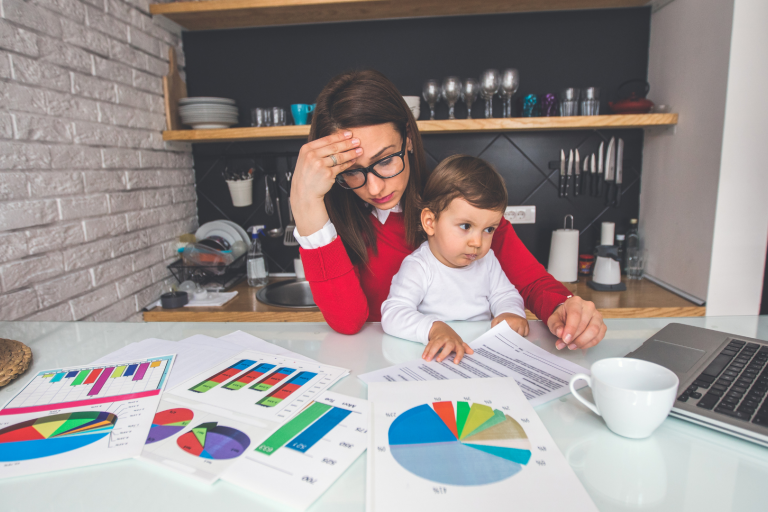
Regardless of location, raising children alone often brings a unique set of challenges. These can include financial strain, limited time for self-care, and the emotional demands of being both provider and nurturer. However, the degree to which these challenges are mitigated or intensified depends heavily on societal context.
- Economic hardship: Many single parents face difficulties making ends meet, especially in countries without robust social safety nets.
- Social stigma: In some cultures, single-parenting is still viewed negatively, leading to isolation or discrimination.
- Access to childcare: Affordable and reliable childcare is a key concern, particularly for working parents with limited family support.
- Work-life balance: Juggling employment and parenting responsibilities can be overwhelming without flexible workplace policies or community resources.
Despite these obstacles, many single parents demonstrate remarkable resilience and creativity in building supportive environments for their children. Learning from global experiences can inspire new approaches and foster a sense of solidarity among families facing similar journeys.
Support Systems and Resources for Single Parents
The availability and quality of support for single-parent families are crucial factors in their well-being. Some societies offer extensive government assistance, while others rely more on extended family networks or community organizations. Understanding these resources can help parents identify avenues for help and advocacy.
In countries with strong welfare systems, solo caregivers may have access to housing subsidies, child benefits, and free or low-cost healthcare. Community centers, parenting groups, and online forums also provide spaces for connection and mutual aid. In places where formal support is limited, informal networks—such as grandparents, neighbors, or religious groups—often step in to fill the gap.
For those seeking practical advice, guides like single parenting and resilience building in kids and single parenting and storytelling with kids offer tips on fostering emotional strength and creative bonding, regardless of cultural background.
Additionally, organizations and health services in many countries provide tailored advice for solo caregivers. For example, the UK’s National Health Service offers comprehensive advice for single parents on everything from financial support to mental health resources.
Parenting Approaches and Cultural Attitudes
How single parents raise their children is often influenced by cultural expectations and societal norms. In some societies, there is a strong emphasis on extended family involvement, while in others, independence and self-reliance are valued. These attitudes shape parenting styles, discipline, and the way children are socialized.

In collectivist cultures, such as those found in parts of Africa, Latin America, and Asia, child-rearing is often seen as a shared responsibility. Grandparents, aunts, uncles, and even neighbors may play active roles in a child’s upbringing, providing emotional and practical support to the solo caregiver. In more individualistic societies, parents may be expected to manage most responsibilities alone, which can increase stress but also foster independence in both parent and child.
Regardless of the cultural context, single parents often develop strong problem-solving skills and adaptability. Resources like morning routines for single parents can help streamline daily life, while guides on single parenting and emotional support for kids address the importance of nurturing children’s emotional well-being.
Building Resilience and Community
One of the most powerful assets for single-parent families is resilience. Across the globe, solo caregivers find ways to adapt, grow, and thrive despite adversity. Building a sense of community—whether through local groups, online forums, or extended family—can make a significant difference in reducing isolation and sharing resources.
Many parents find strength in connecting with others who understand their experiences. Support groups, both in-person and virtual, offer spaces to exchange advice, celebrate successes, and navigate challenges together. In multicultural societies, these networks can also help bridge cultural gaps and foster understanding between families from different backgrounds.
By learning from the diverse experiences of solo parents worldwide, individuals and communities can advocate for more inclusive policies, greater access to resources, and a deeper appreciation of the unique strengths these families bring to society.
Frequently Asked Questions
What are the main challenges for single parents in different cultures?
The main challenges include financial strain, limited access to childcare, social stigma, and balancing work with family life. These issues can be more or less pronounced depending on the level of government support, cultural attitudes, and the strength of community networks in each society.
How do support systems for single parents vary around the world?
Support systems range from extensive government benefits and childcare services in some countries to reliance on extended family or community organizations in others. The effectiveness of these systems depends on local policies, economic resources, and cultural values regarding family structure.
What strategies help single parents build resilience?
Building resilience often involves seeking out supportive communities, establishing consistent routines, and accessing resources for emotional and practical support. Learning from global perspectives and connecting with others facing similar situations can also provide valuable encouragement and ideas.