
Raising children as a single parent comes with unique challenges and responsibilities. One of the most important aspects is ensuring children receive the emotional support they need to thrive. Navigating life as the sole caregiver can feel overwhelming at times, but with the right strategies and mindset, single parents can foster resilience, confidence, and emotional well-being in their children.
This guide explores practical ways to provide consistent support, nurture healthy communication, and build a positive environment for kids growing up in single-parent households. Whether you’re new to this journey or have been navigating it for years, understanding how to meet your child’s emotional needs is key to their long-term happiness and development.
For more ideas on creating a nurturing atmosphere, you might find how to build a positive home environment alone helpful as you shape your family’s daily life.
Understanding the Emotional Needs of Children in Single-Parent Families
Children in single-parent families may experience a range of emotions, from confusion and sadness to anxiety or even guilt. It’s crucial to recognize these feelings and address them openly. Kids benefit from knowing their emotions are valid and that they have a safe space to express themselves.
Common emotional needs for children in these families include:
- Stability and routine: Predictable schedules help children feel secure.
- Open communication: Kids need to feel heard and understood.
- Reassurance: Reminding children they are loved and supported, regardless of family structure.
- Opportunities to build resilience: Encouraging problem-solving and self-confidence.
If you’re interested in how resilience can be nurtured, check out our article on single parenting and resilience building in kids.
Building a Supportive Environment for Kids
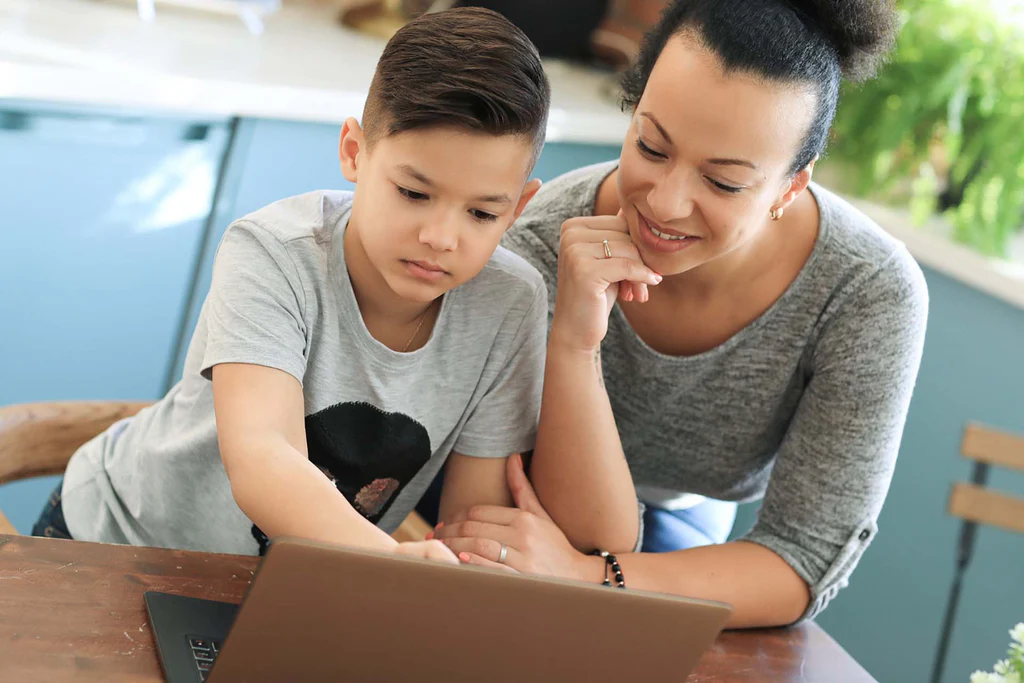
Creating a nurturing home environment is one of the most effective ways to provide emotional support for children in single-parent households. This involves more than just meeting physical needs; it’s about fostering a sense of belonging and safety.
Here are some strategies to help build a supportive atmosphere:
- Establish routines: Consistent mealtimes, bedtimes, and family rituals help children feel grounded.
- Encourage open dialogue: Make time for regular conversations, allowing your child to share their thoughts and feelings without judgment.
- Model healthy coping skills: Show your children how to handle stress, disappointment, and change in positive ways.
- Celebrate achievements: Recognize both big and small accomplishments to boost self-esteem.
- Set clear boundaries: Consistent rules and expectations provide structure and security.
If mornings are a challenge, our tips on morning routines for single parents can help start the day on a positive note.
Effective Communication: The Foundation of Emotional Support
Strong communication is essential for children’s emotional health, especially in single-parent families. Kids need to know they can talk to their parent about anything, from daily events to deeper worries.
Consider these communication tips:
- Be present: Give your child your full attention during conversations, even if it’s just for a few minutes each day.
- Use age-appropriate language: Tailor your explanations and discussions to your child’s developmental level.
- Validate feelings: Let your child know it’s okay to feel sad, angry, or confused, and help them label their emotions.
- Encourage questions: Answer honestly, even when topics are difficult, to build trust.
When children feel heard and understood, their sense of security grows, making it easier for them to cope with changes and challenges.
Self-Care for Single Parents: Why It Matters
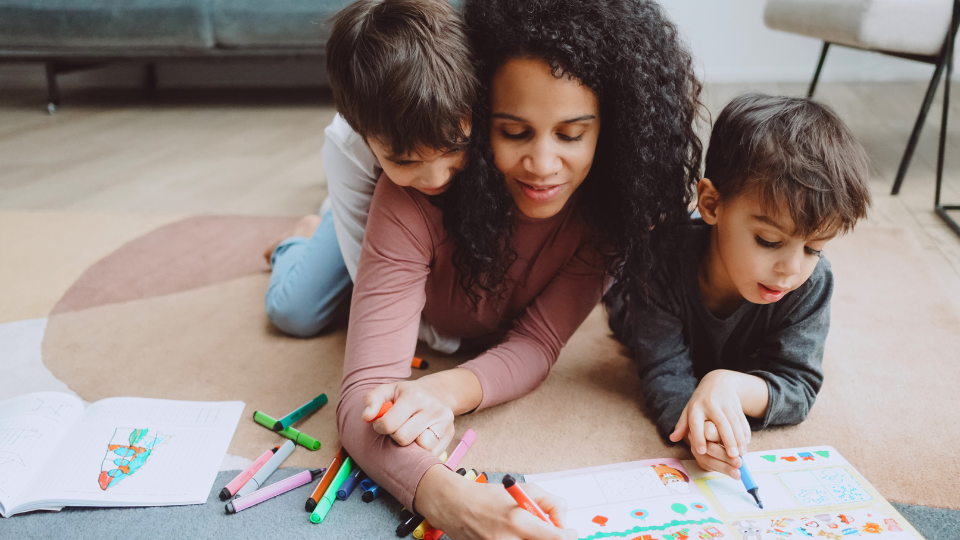
Providing emotional support for kids is easier when parents also care for their own well-being. Single parents often juggle many roles, and burnout can make it difficult to be emotionally available for children.
Here are some self-care suggestions:
- Ask for help: Reach out to friends, family, or community groups when you need support.
- Prioritize rest: Adequate sleep and downtime are essential for maintaining patience and energy.
- Stay connected: Maintain social ties with other adults to reduce feelings of isolation.
- Practice self-compassion: Acknowledge that you’re doing your best, and give yourself grace on tough days.
Taking care of yourself sets a powerful example for your children and helps you provide the stability they need.
Accessing Resources and Building a Support Network
No parent should feel they have to do everything alone. Building a network of support can make a significant difference for both you and your children. This might include extended family, friends, teachers, or support groups for single parents.
There are also many helpful resources available online. For practical tips and encouragement, see this advice for single parents guide which covers a wide range of topics relevant to your journey.
If you’re considering travel or extracurricular activities, our article on traveling with kids as a single parent offers safety and planning tips.
Encouraging Independence and Resilience in Children
One of the lasting gifts single parents can give their children is the ability to adapt and thrive despite challenges. Encouraging independence and resilience helps kids develop confidence and problem-solving skills.
Ways to nurture these qualities include:
- Let kids make choices: Allow age-appropriate decision-making to build autonomy.
- Teach problem-solving: Guide children through challenges rather than solving everything for them.
- Encourage responsibility: Assign regular chores or tasks to foster a sense of contribution.
- Model perseverance: Share stories of overcoming obstacles and demonstrate a positive attitude toward setbacks.
These skills not only help children cope with the realities of single-parent life but also prepare them for future success.
Frequently Asked Questions
How can single parents help children cope with big changes?
Acknowledge your child’s feelings and provide consistent reassurance. Keep routines as stable as possible, and encourage open conversations about any changes. Giving children some control, such as letting them make small choices, can also help them feel more secure.
What are some signs that a child needs more emotional support?
Look for changes in behavior, such as withdrawal, mood swings, trouble sleeping, or declining school performance. If your child seems unusually anxious, sad, or angry for extended periods, consider seeking support from a counselor or mental health professional.
Are there community resources for single parents and their children?
Yes, many communities offer support groups, counseling services, and activities for single-parent families. Schools and local organizations can often provide information on available resources. Online platforms and forums also connect single parents for advice and encouragement.
Conclusion
Supporting children’s emotional well-being in a single-parent family takes patience, intention, and self-care. By fostering open communication, building routines, and seeking support when needed, single parents can create a nurturing environment where kids feel safe, valued, and empowered to thrive.
For additional guidance on scholarships and financial planning, see our resource on single parenting and scholarships tips. Remember, every step you take to support your child’s emotional health makes a lasting difference.