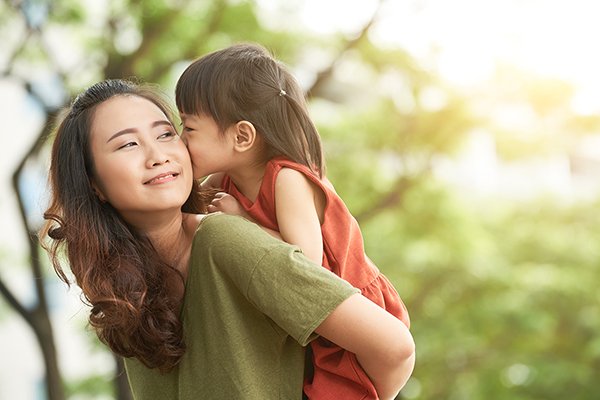
Navigating life as a single parent is a journey filled with both unique challenges and rewarding moments. Balancing the responsibilities of raising children alone while managing your own well-being can sometimes feel overwhelming. Yet, it is possible to cultivate emotional resilience—the ability to adapt and thrive despite adversity. Strengthening this quality not only benefits you but also creates a more stable and nurturing environment for your children.
Developing resilience as a solo caregiver involves learning to manage stress, building a reliable support network, and practicing self-compassion. These skills empower you to handle setbacks and model healthy coping strategies for your family. If you’re looking for practical ways to foster a positive atmosphere at home, you might find helpful insights in how to build a positive home environment alone.
Understanding the Importance of Resilience for Solo Parents
Resilience is more than just “bouncing back” from hardship. For those raising children on their own, it’s about adapting to ongoing demands, finding strength in difficult times, and maintaining hope for the future. This adaptability is crucial because single parents often face financial pressures, time constraints, and social isolation.
By nurturing emotional resilience, you can better manage the daily ups and downs. It allows you to respond to challenges with flexibility and patience, rather than feeling defeated. Children, in turn, observe and learn from your reactions, shaping their own ability to handle stress and uncertainty.

Common Challenges Faced by Single Parents
Being the sole caregiver brings a unique set of obstacles. Some of the most frequent challenges include:
- Financial stress: Managing household expenses on a single income can be daunting.
- Time management: Balancing work, childcare, and personal needs often feels impossible.
- Emotional fatigue: The constant demands can lead to exhaustion and burnout.
- Social isolation: Without a partner to share responsibilities, feelings of loneliness may arise.
- Decision fatigue: Making every choice alone can be mentally draining.
Recognizing these challenges is the first step toward addressing them. It’s important to remember that seeking support is a sign of strength, not weakness.
Strategies to Build Emotional Strength as a Single Parent
Building resilience is an ongoing process that involves intentional actions and mindset shifts. Here are some practical ways to strengthen your emotional well-being:
1. Prioritize Self-Care
Taking care of yourself is essential, not selfish. Even small acts—like enjoying a quiet cup of tea, taking a short walk, or reading for a few minutes—can recharge your energy. Regular self-care helps you stay grounded and better equipped to handle stress.
2. Create a Support Network
Surround yourself with people who understand your situation and offer encouragement. This could include friends, family members, support groups, or online communities. Don’t hesitate to ask for help when you need it, whether it’s babysitting, a listening ear, or advice.
3. Set Realistic Expectations
Let go of the idea that you must do everything perfectly. Accept that some days will be harder than others. Setting achievable goals and celebrating small victories can boost your confidence and sense of accomplishment.
4. Practice Mindfulness and Stress Management
Mindfulness techniques—such as deep breathing, meditation, or journaling—can help you stay present and reduce anxiety. These practices make it easier to manage emotional reactions and approach challenges with a clear mind.
5. Foster Open Communication with Your Children
Encourage your kids to express their feelings and concerns. Honest conversations build trust and help everyone feel supported. If you’re interested in teaching your children how to cope with stress, explore our guide on teaching kids coping skills as a single parent.

Supporting Your Children’s Resilience
Children of single parents also benefit from learning how to cope with adversity. You can help them by modeling healthy coping strategies and encouraging independence. For more ideas, see our article on single parenting and resilience building in kids.
- Encourage problem-solving and decision-making skills.
- Provide consistent routines and boundaries to create a sense of security.
- Celebrate their achievements, no matter how small.
- Listen actively to their concerns and validate their feelings.
By fostering resilience in your children, you help them develop confidence and adaptability that will serve them throughout life.
Managing Stress and Preventing Burnout
Chronic stress can take a toll on both your physical and mental health. It’s important to recognize the signs of burnout—such as irritability, fatigue, and withdrawal—and take steps to address them. Some effective strategies include:
- Scheduling regular breaks and downtime.
- Delegating tasks when possible.
- Seeking professional support, such as counseling or therapy.
- Practicing gratitude and focusing on positive moments.
For additional tips on overcoming stress as a solo caregiver, you may find value in this resource on overcoming single parent stress syndrome.
Building Confidence and Embracing Growth
Every challenge you face as a single parent is an opportunity to grow stronger and more resourceful. By acknowledging your achievements and learning from setbacks, you build confidence in your ability to handle whatever comes your way.
Remember, resilience is not about never struggling—it’s about continuing to move forward, even when things are tough. Celebrate your progress and know that you are setting a powerful example for your children.
Frequently Asked Questions
How can I stay emotionally strong as a single parent?
Focus on self-care, build a support network, and practice stress management techniques. Setting realistic expectations and celebrating small wins can also help you maintain emotional strength.
What are some ways to help my children become more resilient?
Model healthy coping strategies, encourage open communication, and provide consistent routines. Support their independence and recognize their achievements to foster confidence and adaptability.
Where can I find support as a single parent?
Look for local or online support groups, reach out to friends and family, or consider professional counseling. Community resources and parenting organizations can also offer valuable assistance.