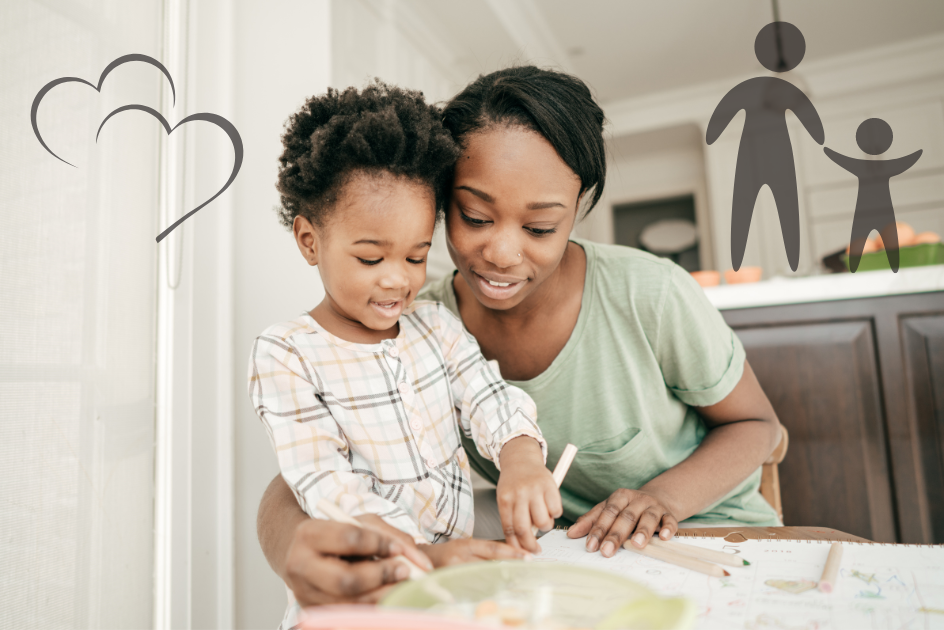
Raising children alone comes with unique challenges, especially when it comes to helping them manage stress, emotions, and everyday setbacks. Teaching kids coping skills as a single parent requires patience, creativity, and a practical approach that fits your family’s routines. By focusing on emotional resilience and practical strategies, you can empower your children to handle life’s ups and downs with confidence.
While it may sometimes feel overwhelming, you are not alone in this journey. Many single parents have found ways to nurture strong, adaptable kids by focusing on open communication, consistency, and modeling healthy behaviors. If you’re looking for more ways to create a nurturing environment, you might find helpful ideas in how to build a positive home environment alone, which explores practical steps for solo caregivers.
Understanding Coping Skills in the Context of Solo Parenting
Coping skills are the tools children use to handle stress, disappointment, and change. For families led by one parent, these skills are especially important, as kids may face added pressures or transitions. Teaching coping strategies as a single parent often means being both the emotional anchor and the role model, which can sometimes feel like a lot to manage.
Children who learn to cope effectively are more likely to develop resilience, emotional intelligence, and self-confidence. These abilities help them navigate school, friendships, and family life, even when circumstances are tough. By prioritizing these skills, you’re setting your child up for long-term success.

Practical Strategies for Fostering Coping Skills
There are many ways to support your child’s emotional growth, even when you’re managing everything on your own. Here are some effective approaches:
- Model Healthy Coping: Children learn by watching. When you manage your own stress in healthy ways—such as taking deep breaths, talking about your feelings, or taking a short walk—they notice and often mimic these behaviors.
- Encourage Open Communication: Make it a habit to check in with your child about their day and their feelings. Let them know it’s okay to talk about worries, sadness, or frustration without fear of judgment.
- Teach Problem-Solving: Guide your child through challenges by brainstorming solutions together. Ask questions like, “What could we try next?” or “How might we handle this differently?”
- Practice Mindfulness and Relaxation: Simple breathing exercises, stretching, or quiet time can help kids calm down when emotions run high.
- Establish Routines: Predictable routines provide a sense of security. Consistent mealtimes, bedtimes, and after-school rituals help children feel safe and grounded.
Building Emotional Resilience in Children
Resilience is the ability to bounce back from setbacks. For single-parent families, building this trait is crucial. Here are some ways to nurture resilience in your child:
- Normalize Mistakes: Remind your child that everyone makes mistakes and that setbacks are a part of learning. Share your own experiences when appropriate.
- Celebrate Effort, Not Just Results: Praise your child for trying hard, not just for succeeding. This encourages a growth mindset and persistence.
- Encourage Independence: Give your child age-appropriate responsibilities, such as helping with chores or making simple decisions. This builds confidence and problem-solving skills.
- Stay Connected: Even with a busy schedule, make time for one-on-one moments. A few minutes of focused attention each day can strengthen your bond and help your child feel supported.
For more insights on nurturing resilience, single parenting and resilience building in kids offers practical life lessons for solo caregivers.

Managing Stress and Emotions Together
Stress is a normal part of life, but learning to manage it is a skill that takes practice. As a solo parent, you can help your child by:
- Validating Their Feelings: Let your child know it’s okay to feel sad, angry, or worried. Use phrases like, “I understand you’re upset,” or “It’s normal to feel that way.”
- Offering Coping Tools: Teach your child simple techniques like counting to ten, drawing, or listening to music when they feel overwhelmed.
- Setting Realistic Expectations: Remind your child (and yourself) that it’s okay not to be perfect. Focus on progress, not perfection.
- Seeking Support When Needed: Don’t hesitate to reach out to friends, family, or community resources if you or your child need extra help. Support networks can make a big difference.
For additional ideas on managing daily routines and reducing stress, morning routines for single parents can help you start the day with more calm and structure.
Encouraging Healthy Outlets and Activities
Physical activity, creative expression, and social connections all play a role in helping kids cope. Encourage your child to:
- Participate in sports, dance, or outdoor play to release energy and boost mood.
- Express themselves through art, music, or writing.
- Spend time with friends, relatives, or trusted adults who offer positive support.
- Engage in family rituals, such as movie nights or shared meals, to strengthen your connection.
These activities not only help children process emotions but also provide a sense of normalcy and joy.
Overcoming Common Challenges for Single Parents
Solo caregivers often face time constraints, financial pressures, and emotional fatigue. Here are some tips for overcoming these hurdles while focusing on your child’s emotional growth:
- Prioritize Self-Care: Taking care of yourself isn’t selfish—it’s essential. When you feel rested and supported, you’re better able to help your child.
- Set Boundaries: It’s okay to say no to extra commitments. Protect your time and energy for what matters most.
- Use Community Resources: Many organizations offer support for single-parent families. For practical advice, these single parenting tips from a single mom provide real-world strategies and encouragement.
- Connect with Other Parents: Sharing experiences with others in similar situations can reduce feelings of isolation and offer new perspectives.
Frequently Asked Questions
What are some simple coping skills I can teach my child at home?
Start with basic techniques like deep breathing, counting to ten, or drawing when upset. Encourage your child to talk about their feelings and help them identify activities that calm them, such as listening to music or spending time outdoors. Consistency and patience are key.
How can I support my child’s emotional health if I’m feeling overwhelmed myself?
It’s important to acknowledge your own feelings and seek support when needed. Even small self-care routines—like taking a short walk or connecting with a friend—can help. Remember, modeling healthy coping strategies teaches your child by example. Don’t hesitate to reach out to community resources or trusted adults for help.
Are there resources for single parents who need extra support?
Yes, many communities offer support groups, counseling, and financial assistance for single-parent families. You can also find helpful information in articles about nonprofit support for single parents, which lists organizations and resources tailored to your needs.
How do I know if my child is struggling to cope?
Look for changes in behavior, such as withdrawal, irritability, trouble sleeping, or declining grades. If you notice these signs, open a gentle conversation and consider reaching out to a counselor or pediatrician for guidance.
Conclusion
Helping your child develop strong coping skills as a solo caregiver is a journey that takes time and compassion. By modeling healthy behaviors, encouraging open communication, and providing consistent support, you can nurture resilience and emotional strength in your child. Remember, every family is unique, and small, everyday actions make a big difference. With patience and the right strategies, you can guide your child toward a confident, adaptable future.