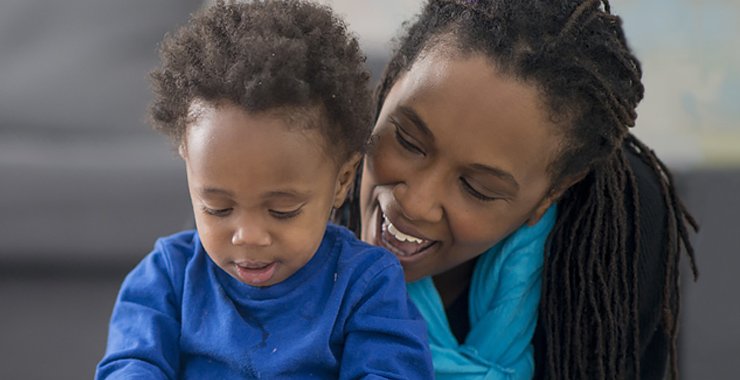
Raising children on your own comes with unique challenges, especially when it comes to guiding their behavior in a positive and effective way. Single parenting and behavior management often require creative strategies, patience, and the ability to adapt. Without another adult to share the load, single parents may feel overwhelmed by the daily demands of discipline, emotional support, and maintaining consistency. However, with the right techniques, it is possible to foster a nurturing environment where children thrive emotionally and socially.
This guide explores practical, positive approaches to managing your child’s behavior as a solo parent. We’ll discuss proven strategies, highlight the importance of consistency and communication, and share resources to help you build a supportive home environment. For more ideas on creating a nurturing space, see how to build a positive home environment alone.
Understanding the Challenges of Solo Parenting
Single parents often juggle multiple roles—provider, nurturer, disciplinarian, and emotional anchor. This can lead to stress and fatigue, which in turn may impact how you respond to your child’s behavior. Recognizing these challenges is the first step toward finding solutions that work for your family.
Common hurdles include:
- Lack of a second adult to reinforce rules and routines
- Limited time and energy for consistent discipline
- Feelings of guilt or worry about being “too strict” or “too lenient”
- Managing your own stress while supporting your child’s emotional needs
Despite these obstacles, many single parents successfully guide their children’s behavior using positive, proactive techniques that foster respect and cooperation.

Positive Strategies for Managing Behavior as a Single Parent
Effective behavior management for single parents centers on building strong relationships, clear communication, and consistent expectations. Here are some evidence-based techniques to help you guide your child’s actions in a supportive way:
Set Clear and Consistent Boundaries
Children thrive when they know what is expected of them. Establish household rules that are simple, age-appropriate, and easy to remember. Consistency is key—enforce rules calmly and predictably, even when you’re tired or stressed. This helps children feel secure and understand the consequences of their actions.
Use Positive Reinforcement
Acknowledge and praise good behavior as often as possible. Positive reinforcement encourages children to repeat actions that earn your approval. Simple words of encouragement, extra playtime, or a special privilege can go a long way in motivating your child to make good choices.
Model the Behavior You Want to See
Children learn by watching the adults around them. Demonstrate respectful communication, patience, and self-control in your daily interactions. When you make a mistake, acknowledge it and show how to make amends—this teaches valuable lessons about accountability and empathy.
Stay Calm and Avoid Harsh Discipline
It’s natural to feel frustrated when your child misbehaves, but harsh punishments or yelling can damage trust and escalate conflicts. Instead, use time-outs, logical consequences, or loss of privileges as appropriate. Always explain the reason for the consequence and offer guidance on how to make better choices next time.
Building Emotional Resilience in Children
Helping your child develop resilience is an essential part of single parenting and behavior management. Children who can cope with setbacks and express their feelings are less likely to act out and more likely to develop healthy relationships.
Encourage open conversations about emotions and provide reassurance during difficult times. For more on this topic, explore single parenting and resilience building in kids and how to help kids express emotions.
Teach Problem-Solving Skills
Guide your child through the process of identifying problems, brainstorming solutions, and evaluating outcomes. This empowers them to handle challenges independently and reduces the likelihood of negative behaviors.
Encourage Healthy Coping Mechanisms
Support your child in finding healthy ways to manage stress, such as physical activity, creative outlets, or talking about their feelings. If you need ideas, see teaching kids coping skills as a single parent.

Practical Tips for Everyday Success
Managing your child’s behavior as a solo parent is an ongoing process. Here are some practical suggestions to make daily life smoother:
- Plan routines: Predictable schedules help children feel secure and reduce power struggles.
- Stay connected: Spend quality time together, even if it’s just a few minutes each day.
- Seek support: Reach out to friends, family, or local groups for encouragement and advice.
- Take care of yourself: Prioritize your own well-being so you can be present and patient with your child.
- Communicate with teachers and caregivers: Share your approach to discipline and ask for consistency across environments.
For more helpful advice, you can read these top tips for single parents from Care for the Family.
Encouraging Positive Communication
Open, honest communication is at the heart of effective single parenting and behavior management. Encourage your child to share their thoughts and feelings without fear of judgment. Listen actively, validate their emotions, and work together to find solutions. Storytelling can also be a powerful tool for connection—discover more about single parenting and storytelling with kids to strengthen your bond.
Frequently Asked Questions
How can single parents stay consistent with discipline?
Consistency is crucial for effective behavior management. Set clear rules and routines, and follow through with consequences every time. If you find it difficult to stay consistent, consider writing down your family rules and reviewing them regularly with your child. Enlist support from teachers or caregivers to reinforce your approach outside the home.
What are some positive discipline techniques for solo parents?
Positive discipline focuses on teaching rather than punishing. Techniques include praising good behavior, using time-outs, offering choices, and explaining the reasons behind rules. Avoid harsh punishments, and instead guide your child toward making better choices in the future.
How do I manage my own stress as a single parent?
Taking care of yourself is essential. Prioritize self-care by getting enough rest, eating well, and finding time for activities you enjoy. Don’t hesitate to ask for help from friends, family, or support groups. Managing your stress will help you respond more calmly and effectively to your child’s behavior.
Conclusion
Navigating single parenting and behavior management may feel daunting, but with patience, consistency, and a positive mindset, you can create a supportive environment where your child learns, grows, and feels secure. Remember, you are not alone—there are resources and communities ready to support you on this journey.