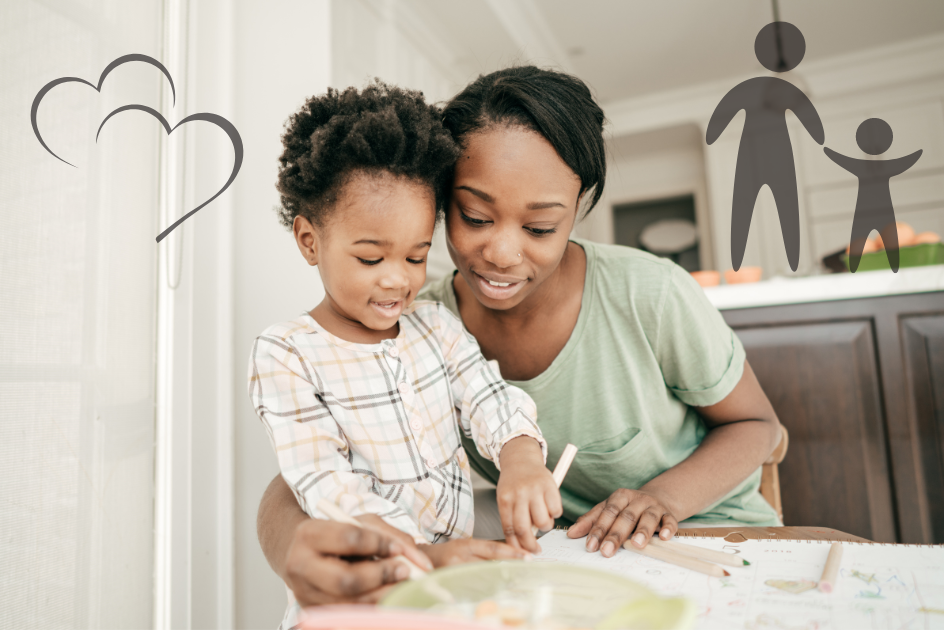
Parenting solo comes with unique challenges, but it also offers opportunities for deep connection and personal growth. For mothers raising children on their own, finding effective strategies that foster a nurturing, resilient, and joyful family environment is essential. This guide explores positive parenting tips for single moms, offering practical advice to help you support your child’s development while maintaining your own well-being.
Whether you’re navigating daily routines, managing discipline, or building emotional bonds, the right approach can make all the difference. By focusing on encouragement, consistency, and self-care, you can create a positive atmosphere where your children thrive. For more ideas on cultivating a supportive home, check out how to build a positive home environment alone for additional inspiration.
Why Positive Parenting Matters for Single Mothers
Positive parenting is about guiding children with warmth, empathy, and clear boundaries. For single mothers, this approach is especially valuable because it helps build trust, encourages open communication, and fosters independence. When you’re the primary caregiver, your influence is even more significant—your reactions, routines, and emotional support shape your child’s sense of security and self-worth.
Embracing positive parenting tips for single moms can help reduce stress for both you and your children. It also lays the groundwork for healthy relationships and strong coping skills, which are crucial as your kids grow and face new challenges.
Building Strong Connections With Your Children
One of the most important aspects of raising children on your own is maintaining a strong, loving bond. Here are some ways to nurture connection:
- Quality Time: Set aside regular moments for one-on-one activities, even if it’s just a few minutes each day. Simple routines like bedtime stories, shared meals, or weekend walks can make a big difference.
- Active Listening: Give your child your full attention when they talk. Show empathy and validate their feelings, which helps them feel understood and valued.
- Encourage Expression: Create a safe space for your child to share their thoughts, worries, and dreams. This builds trust and helps them develop emotional intelligence.

Consistency and Boundaries: The Foundation of Effective Parenting
Children thrive on predictability and clear expectations. For single mothers, maintaining consistency can sometimes feel overwhelming, but it’s crucial for your child’s sense of safety. Here’s how to establish effective boundaries:
- Set Clear Rules: Define household expectations and consequences together. Involve your child in the process to encourage cooperation.
- Follow Through: Consistently enforce rules and consequences. This teaches responsibility and helps children understand the impact of their actions.
- Stay Calm: When conflicts arise, respond with patience and empathy. Model the behavior you want to see in your child.
For more on fostering resilience and life skills, explore single parenting and resilience building in kids for practical strategies.
Self-Care: Supporting Yourself to Support Your Kids
Single mothers often put their children’s needs first, but taking care of yourself is vital for long-term success. Self-care isn’t selfish—it’s necessary for maintaining energy, patience, and positivity. Consider these self-care practices:
- Prioritize Rest: Aim for regular sleep and downtime. Even short breaks can help you recharge.
- Seek Support: Connect with friends, family, or support groups. Sharing experiences and advice can lighten your load and provide valuable perspective.
- Practice Mindfulness: Simple techniques like deep breathing or journaling can help reduce stress and improve your mood.

Encouraging Independence and Confidence
Helping your child become self-reliant is a key goal for any parent, but it’s especially important for those raising children alone. Here’s how to nurture independence:
- Assign Age-Appropriate Tasks: Give your child responsibilities that match their abilities. This could include setting the table, organizing their school bag, or helping with laundry.
- Celebrate Effort: Focus on progress rather than perfection. Praise your child for trying new things and learning from mistakes.
- Encourage Problem-Solving: When challenges arise, guide your child through the process of finding solutions rather than fixing everything for them.
Creative activities like storytelling can also strengthen your bond and boost confidence. For ideas, see single parenting and storytelling with kids for fun ways to connect.
Managing Stress and Emotions Together
Both you and your child will face stressful moments. Teaching emotional regulation is a core part of positive parenting tips for single moms. Here’s how to support emotional well-being:
- Model Healthy Coping: Share your feelings openly and demonstrate healthy ways to handle stress, such as talking, exercising, or taking a break.
- Validate Emotions: Let your child know it’s okay to feel sad, angry, or frustrated. Offer comfort and help them name their feelings.
- Build Routines: Consistent daily schedules can provide stability and reduce anxiety for both you and your child.
If you need more guidance on supporting your child’s emotional health, visit single parenting and emotional support for kids for actionable advice.
Practical Tips for Everyday Success
Small changes in your daily routine can have a big impact. Here are some practical ideas to make life as a single mom a bit easier:
- Plan Ahead: Prepare for the next day the night before—pack lunches, lay out clothes, and review schedules together.
- Use Visual Aids: Calendars, checklists, and chore charts can help children stay organized and feel involved.
- Establish Morning Routines: A predictable start to the day sets a positive tone. For more ideas, check out morning routines for single parents.
For additional inspiration from someone who’s been there, read these single parenting tips from a single mom for real-life advice and encouragement.
Frequently Asked Questions
What are the most important positive parenting strategies for single mothers?
Key strategies include maintaining open communication, setting clear boundaries, practicing consistency, and prioritizing self-care. Encouraging independence and modeling healthy emotional regulation are also essential for raising confident, resilient children.
How can single moms manage stress while raising children alone?
Managing stress involves building a support network, practicing mindfulness, and establishing routines. Taking time for self-care, seeking help when needed, and focusing on small, manageable goals can help reduce overwhelm and improve overall well-being.
How do I encourage my child’s independence as a single parent?
Assign age-appropriate responsibilities, celebrate your child’s efforts, and guide them through problem-solving. Allowing children to make choices and learn from mistakes fosters confidence and self-reliance.