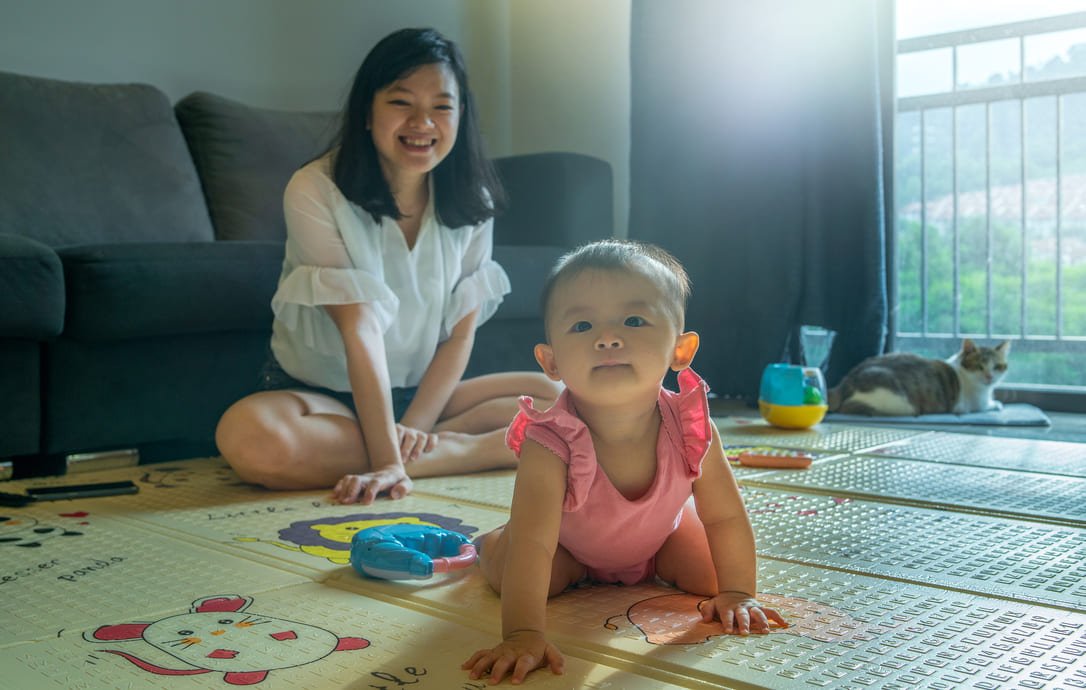
Balancing technology use at home can be especially challenging for single parents. Between work, household responsibilities, and supporting your child’s growth, it’s easy for screens to become a convenient distraction. However, setting healthy boundaries around digital devices is crucial for your child’s development and your family’s well-being. This guide offers practical, straightforward strategies for how to manage screen time as a single parent—making it easier to create a balanced routine that works for everyone.
Alongside these tips, you might also find value in exploring how to build a positive home environment alone, which can further support your efforts to foster healthy habits at home.
Understanding the Impact of Digital Devices on Kids
Children today are surrounded by screens—TVs, tablets, smartphones, and computers. While technology can offer educational opportunities and entertainment, too much screen time can affect sleep, social skills, and even emotional health. As a single parent, it’s important to recognize both the benefits and risks so you can make informed decisions about your family’s digital habits.
Research suggests that excessive device use is linked to difficulties with focus, increased anxiety, and disrupted sleep patterns. On the other hand, using screens for learning or connecting with friends can be positive when done in moderation. The key is finding the right balance for your household.

Setting Realistic Screen Time Limits as a Solo Parent
Establishing clear guidelines is one of the most effective ways to manage device use. Here are some practical steps to help you set boundaries that stick:
- Decide on daily or weekly limits. The American Academy of Pediatrics recommends no more than 1–2 hours of recreational screen time per day for school-aged children. Adjust these guidelines to fit your child’s age and your family’s needs.
- Communicate expectations clearly. Explain to your child why limits are important. Use simple language and be consistent in enforcing the rules.
- Use built-in parental controls. Most devices allow you to set time limits or restrict access to certain apps. Take advantage of these features to help enforce boundaries, especially when you’re busy with other tasks.
- Schedule screen-free times. Designate certain hours—like mealtimes or before bed—as device-free zones. This helps create healthy routines and encourages face-to-face interaction.
Easy Rules for Managing Technology in a Single-Parent Household
Consistency is key when it comes to device use. Here are some straightforward rules that can make a big difference:
- No screens during meals. Eating together without distractions supports better communication and healthier eating habits.
- Keep devices out of bedrooms at night. This helps children wind down and get better sleep.
- Prioritize homework and chores before recreational screen time. Encourage your child to complete their responsibilities first.
- Encourage breaks every 30–60 minutes. Remind your child to stand up, stretch, or do a quick activity away from the screen.
- Model healthy habits. Children learn by example. Try to follow the same rules you set for your child whenever possible.
Balancing Screen Time With Other Activities
One of the best ways to reduce reliance on digital devices is to offer appealing alternatives. As a single parent, you may not always have time for elaborate outings, but even simple activities can help:
- Outdoor play: Encourage your child to spend time outside, whether it’s a walk in the park or playing in the garden.
- Creative hobbies: Drawing, building, or crafting can capture your child’s interest and reduce the urge to reach for a device.
- Reading together: Set aside time for books or storytelling, which supports language development and imagination.
- Household tasks: Involve your child in age-appropriate chores. This not only limits screen time but also teaches responsibility.
For more ideas on fostering resilience and emotional growth, consider reading about single parenting and resilience building in kids, which can complement your efforts to create a balanced routine.

Managing Screen Time When You Need a Break
Single parents often need moments to recharge or focus on other responsibilities. It’s understandable to use screens as a temporary solution, but planning ahead can help you avoid overreliance:
- Prepare a list of offline activities. Keep a box of puzzles, coloring books, or simple games handy for times when you need your child to be occupied.
- Use educational content. If you do allow screen time, choose high-quality, age-appropriate programs or apps that support learning.
- Set a timer. Let your child know how long they can use the device and stick to it. This helps set clear expectations and prevents arguments later.
Remember, it’s okay to use screens as a tool when needed—what matters is maintaining a healthy overall balance.
Communicating and Involving Your Child in the Process
Children are more likely to follow rules when they feel included in the decision-making process. Here’s how you can involve your child in managing device use:
- Discuss the reasons behind the rules. Talk about the benefits of limiting screen time, such as better sleep and more time for fun activities together.
- Let your child help set limits. Ask for their input on when and how they’d like to use devices. This gives them a sense of ownership and responsibility.
- Review and adjust rules as needed. As your child grows, their needs and interests will change. Check in regularly and update your approach together.
Getting Support and Resources for Single Parents
Managing technology use on your own can feel overwhelming at times. Don’t hesitate to seek support from friends, family, or local organizations. There are also many helpful resources available online, such as the NHS advice for single parents, which offers practical tips and guidance.
If you’re looking for more strategies on helping your child cope with challenges, you might be interested in teaching kids coping skills as a single parent for additional support.
Frequently Asked Questions
What is a healthy amount of screen time for children?
Most experts recommend limiting recreational device use to 1–2 hours per day for school-aged children. However, the right amount may vary based on your child’s age, needs, and family circumstances. Focus on quality content and ensure screens don’t interfere with sleep, physical activity, or family time.
How can I enforce screen time rules without constant arguments?
Consistency and clear communication are crucial. Set expectations together, use parental controls when possible, and offer appealing alternatives to screens. Involving your child in the process can also reduce resistance and help them understand the reasons behind the rules.
What should I do if I need to rely on screens more than I’d like?
It’s normal for single parents to use screens occasionally to manage busy schedules. Try to choose educational or interactive content, set time limits, and balance device use with offline activities. Remember, flexibility is important—aim for progress, not perfection.