
Raising children alone comes with unique challenges, but it also offers powerful opportunities for personal development for single parents. Balancing the demands of parenting and self-growth can feel overwhelming, yet nurturing your own growth is not only possible—it’s essential for both you and your children. Investing in yourself helps you model resilience, adaptability, and lifelong learning, all of which positively impact your family’s well-being.
Whether you’re navigating daily routines, building emotional resilience, or setting new goals, focusing on your own progress can transform your parenting journey. This article explores practical strategies, mindset shifts, and resources to help single parents grow while raising their children. For more ideas on creating a supportive atmosphere at home, see how to build a positive home environment alone.
Why Prioritizing Growth Matters for Single Parents
It’s easy for solo caregivers to put their own needs last, but personal growth is not a luxury—it’s a necessity. When you invest in your own development, you gain the tools to handle stress, adapt to change, and maintain a sense of purpose beyond your parenting role. Children benefit from seeing a parent who is committed to learning and self-improvement, as it teaches them the value of perseverance and self-care.
Focusing on your own journey can also reduce feelings of isolation and burnout. By seeking out new skills, hobbies, or support networks, you create a more balanced and fulfilling life for yourself and your children.
Building Resilience Through Self-Reflection
Resilience is a cornerstone of personal development for single parents. Self-reflection helps you identify strengths, recognize areas for improvement, and celebrate progress. Setting aside even a few minutes each day to journal or meditate can provide clarity and reduce stress.
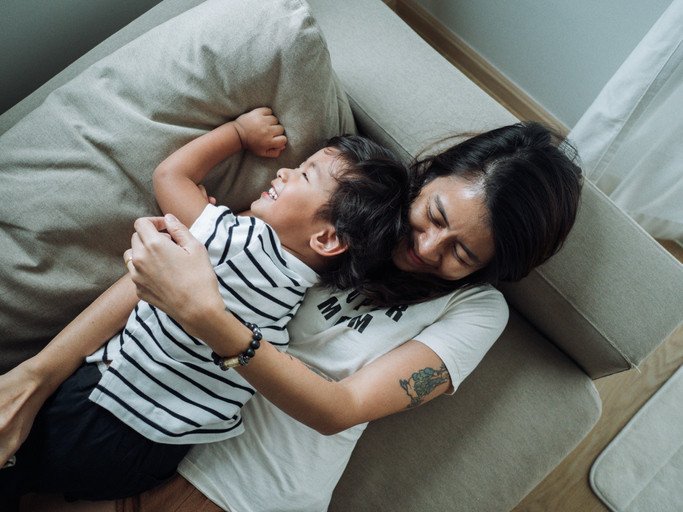
Consider these simple self-reflection practices:
- Keep a gratitude journal to focus on positive moments.
- Set weekly intentions or goals for yourself.
- Reflect on challenges and how you overcame them.
For more on fostering resilience in your children, explore single parenting and resilience building in kids.
Time Management Strategies for Busy Solo Parents
Finding time for self-improvement can be difficult when you’re managing a household alone. Effective time management is key to making space for growth without sacrificing your children’s needs. Start by identifying your most important priorities and letting go of perfectionism.
Here are some practical tips:
- Use a family calendar to schedule both parenting duties and personal time.
- Wake up 15 minutes earlier for quiet reflection or exercise.
- Batch similar tasks together to save time and mental energy.
- Delegate age-appropriate chores to your children to lighten your load and teach responsibility.
If mornings are a challenge, consider these morning routines for single parents to start your day with intention.
Setting and Achieving Personal Goals
Goal setting is a powerful tool for personal development for single parents. Clear, achievable objectives provide direction and motivation, even during difficult times. Start with small, realistic goals that align with your values and current life stage.
Some examples include:
- Learning a new skill online during your child’s nap time.
- Reading one book per month for personal enrichment.
- Attending a local support group or workshop.
Break larger goals into manageable steps and celebrate each milestone. For a structured approach, see our guide on goal setting for single parents.
Building Support Networks and Community
No one should have to navigate single parenting alone. Building a support system is essential for both emotional well-being and personal growth. Reach out to friends, family, or local organizations that offer resources for solo caregivers.

Online communities and social media groups can also provide valuable advice, encouragement, and a sense of belonging. Don’t hesitate to seek professional support if you’re feeling overwhelmed—counselors and coaches can offer guidance tailored to your unique situation.
For more on essential skills for thriving as a solo caregiver, check out this list of top skills for single parenting.
Modeling Growth for Your Children
Your commitment to self-improvement doesn’t just benefit you—it sets a powerful example for your children. When kids see their parent learning new things, overcoming obstacles, and prioritizing well-being, they’re more likely to adopt a growth mindset themselves.
Involve your children in your journey where appropriate. Share your goals, celebrate achievements together, and encourage them to pursue their own interests. Activities like storytelling, creative projects, or learning together can strengthen your bond and support mutual growth. For inspiration, see our article on single parenting and storytelling with kids.
Overcoming Common Obstacles in Self-Development
Single parents often face barriers such as time constraints, financial pressures, and emotional fatigue. Recognizing these challenges is the first step to overcoming them. Remember, progress doesn’t require perfection—small, consistent efforts add up over time.
Consider these strategies:
- Practice self-compassion and avoid comparing yourself to others.
- Seek flexible learning opportunities, such as podcasts or online courses.
- Ask for help when needed, and accept support graciously.
- Celebrate every step forward, no matter how small.
Frequently Asked Questions
How can single parents find time for personal growth?
Time is often limited, but small changes—like waking up a bit earlier, using breaks for reflection, or involving children in learning activities—can create opportunities for self-improvement. Prioritizing and scheduling personal time, even in short bursts, makes a difference.
What are some affordable ways to invest in self-development?
There are many low-cost or free resources available, such as online courses, library books, podcasts, and community workshops. Connecting with local support groups or online communities can also provide valuable insights and encouragement without financial strain.
How does focusing on personal growth benefit children?
When children see their parent working on self-improvement, they learn the importance of resilience, adaptability, and lifelong learning. This modeling helps them develop confidence and a positive attitude toward their own challenges and goals.