
Raising children alone brings unique challenges, especially when it comes to setting boundaries and guiding behavior. Many single parents wonder how to discipline children as a single parent in a way that is fair, consistent, and nurturing. Without another adult to share the load, it can feel overwhelming to balance discipline with daily responsibilities. However, with the right strategies and mindset, it is possible to foster respect, responsibility, and positive behavior in your household.
Establishing effective discipline as a solo caregiver requires clarity, patience, and adaptability. This guide explores practical methods, common pitfalls, and supportive resources to help you create a harmonious home environment. For more on creating a supportive atmosphere, see how to build a positive home environment alone.
Understanding the Challenges of Solo Discipline
Disciplining as a single parent often means wearing many hats at once. You are the rule-setter, enforcer, comforter, and role model. This can lead to fatigue, inconsistency, or even guilt about being “too strict” or “too lenient.” Recognizing these challenges is the first step toward finding solutions that work for your family.
- Consistency is harder to maintain when you are the only authority figure.
- Children may test boundaries more, especially after family changes or stress.
- Time constraints can make it tempting to let misbehavior slide or overreact in frustration.
- Emotional exhaustion may impact your patience and decision-making.
Despite these obstacles, single parents can establish effective discipline by focusing on clear expectations, positive reinforcement, and self-care.
Setting Clear Expectations and Boundaries
Children thrive on structure and knowing what is expected of them. As a solo parent, it is crucial to communicate rules and consequences clearly. This not only helps prevent misbehavior but also builds trust and security.
- Establish household rules that are simple, specific, and age-appropriate.
- Discuss rules and consequences with your children, so they understand the reasons behind them.
- Post rules in a visible place as a reminder for everyone.
- Be consistent in enforcing boundaries, even when you are tired or busy.
For tips on creating effective rules, explore single parenting and household rules.
Positive Discipline Strategies for Single Parents
Effective discipline is not just about punishment; it is about teaching and guiding. Here are some positive approaches that work well for single-parent families:
- Use Natural and Logical Consequences: Allow children to experience the results of their actions when safe and appropriate. For example, if a child forgets homework, let them face the teacher’s response rather than rescuing them.
- Focus on Positive Reinforcement: Praise good behavior and effort. Recognize when your child follows rules or makes good choices. This encourages repetition of positive actions.
- Offer Choices: Giving children some control within limits helps reduce power struggles. For instance, let them choose between two acceptable options for chores or bedtime routines.
- Stay Calm and Consistent: Respond to misbehavior with a steady tone and predictable consequences. Avoid yelling or harsh punishments, which can undermine your authority and relationship.
- Model Respectful Communication: Show your child how to express feelings and resolve conflicts respectfully. They will learn by watching how you handle stress and frustration.
Managing Discipline When Co-Parenting or Solo
Some single parents share custody or co-parent with an ex-partner, while others are the sole caregiver. Each situation brings its own discipline challenges:
- If co-parenting, try to coordinate rules and consequences with your child’s other parent. Consistency across households helps children feel secure.
- If you are the only authority, seek support from trusted relatives, teachers, or mentors. Sometimes, children respond better when they know other adults are involved in their lives.
- Communicate openly with your children about differences between households, but avoid criticizing the other parent. Focus on what you can control in your own home.
Self-Care and Support for Single Parents
Maintaining your own well-being is essential for effective discipline. Parenting alone can be exhausting, and burnout makes it harder to stay patient and consistent. Here are some self-care tips:
- Set aside time for yourself, even if it is just a few minutes a day.
- Reach out to friends, family, or support groups for encouragement and advice.
- Do not hesitate to seek professional help if you feel overwhelmed or unsure about discipline strategies.
- Remember that making mistakes is normal. Forgive yourself and focus on learning and improving.
For more practical advice, check out these top skills for thriving as a single parent.

Common Mistakes and How to Avoid Them
Even the most dedicated single parents can fall into discipline traps. Being aware of these common pitfalls helps you stay on track:
- Inconsistency: Changing rules or consequences frequently confuses children. Stick to your guidelines as much as possible.
- Overcompensating: Feeling guilty about being a single parent can lead to being too permissive. Remember, children need boundaries to feel safe.
- Reacting Emotionally: Responding out of anger or frustration can escalate conflicts. Take a deep breath and address behavior calmly.
- Trying to Do It All Alone: Accept help when offered. Building a support network benefits both you and your children.
Building a Positive Parent-Child Relationship
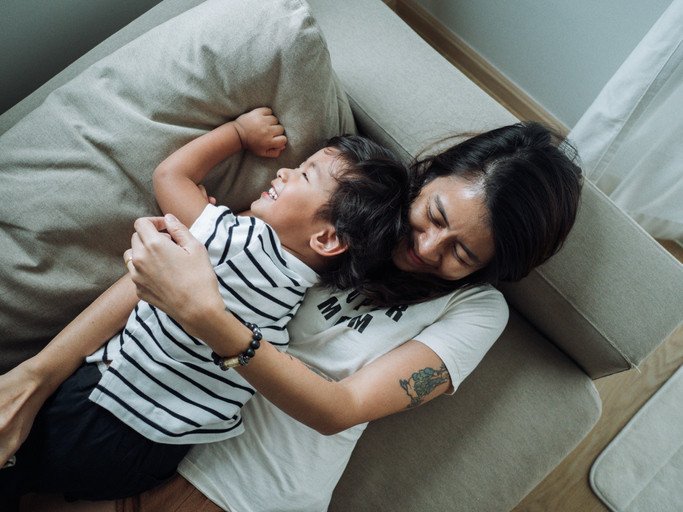
Discipline is most effective when it is rooted in a strong, loving relationship. Make time for connection, even during busy days. Simple routines like shared meals, bedtime stories, or walks together can strengthen your bond and make discipline easier.
Encourage open communication. Let your children know they can talk to you about their feelings, mistakes, and successes. When children feel heard and respected, they are more likely to cooperate and follow rules.
FAQ: Discipline Tips for Single Parents
What if my child refuses to listen to me?
Stay calm and avoid power struggles. Restate your expectations and consequences clearly. If your child continues to resist, follow through with the agreed-upon consequences. Consistency and patience are key. If the problem persists, consider seeking advice from a counselor or parenting expert.
How can I discipline without feeling guilty?
Remember that discipline is about teaching, not punishing. Setting boundaries shows your child you care about their well-being. Focus on positive reinforcement and explain the reasons behind your rules. Self-care and support from others can also help reduce feelings of guilt.
What if my co-parent has different rules?
It is common for children to experience different expectations in separate households. Communicate with your co-parent when possible to align on major rules. If that is not possible, focus on maintaining consistency in your own home and reassure your child about what is expected when they are with you.
Conclusion
Learning how to discipline children as a single parent is a journey that requires patience, flexibility, and self-compassion. By setting clear expectations, using positive discipline strategies, and caring for your own well-being, you can guide your children toward responsible and respectful behavior. Remember, you are not alone—support and resources are available to help you succeed in your parenting journey.